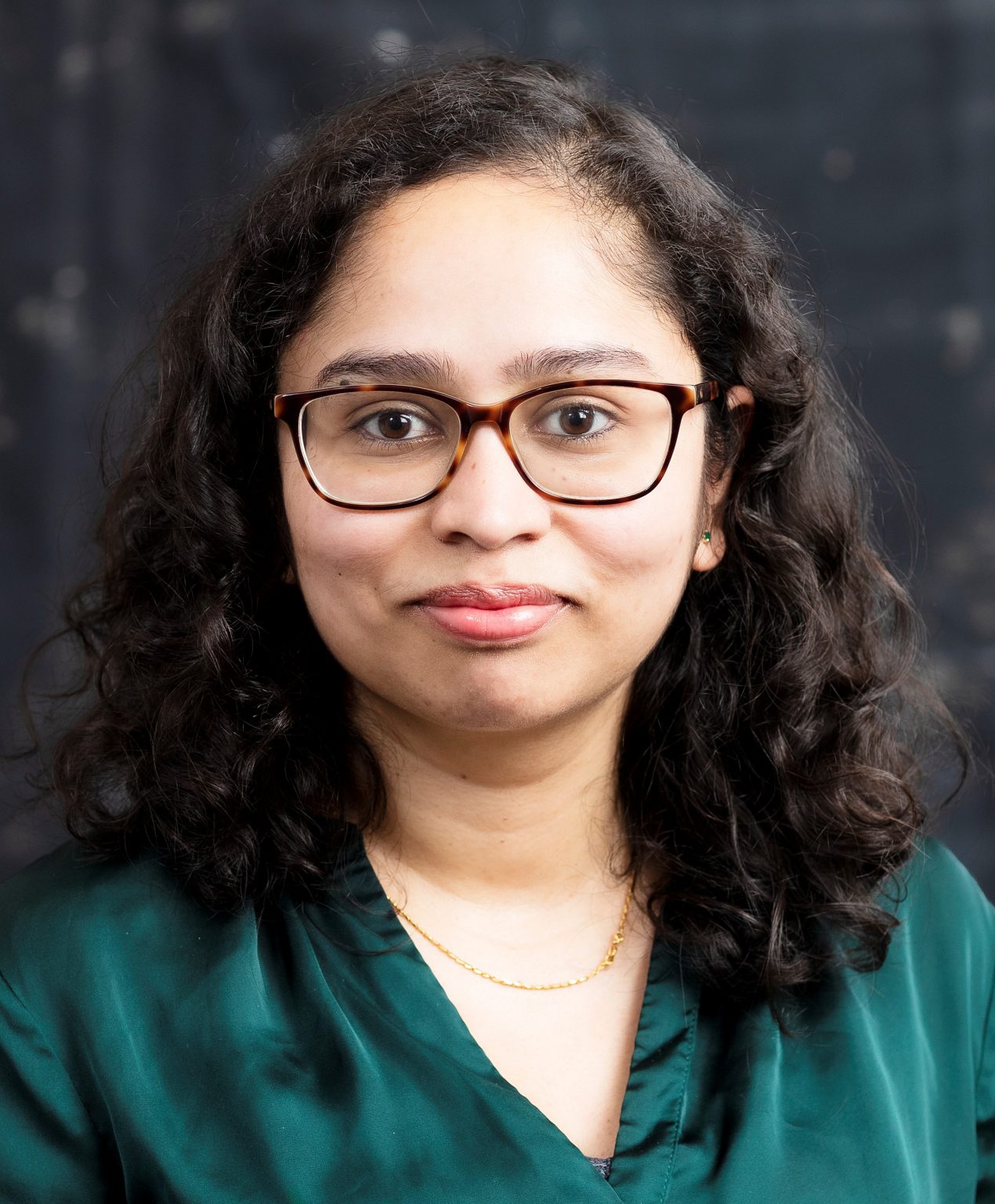
Meet the Dentist – ‘From first-time patient to dental educator’
NSW Dentist - July 2025
When Dr Nidhi Medara chose to study dentistry at 18, she had very little knowledge of the field. In fact, she’d never actually visited a dentist before.
“I grew up for the first 13 years in India, and dentistry in India is still accessed on an as-needs basis, rather than something you go see often as part of just your general healthcare,” she said.
After moving to New Zealand, her family didn’t realise that free access to dental care was available to all children until the age of 18. However, when it came to choosing a health major, conversations with her parents and university educators helped her realise her path.
“I thought about where I’d come from, where my family had come from, and their familiarity and lack of access to dental care. And that helped me in making a decision,” she said.
A researcher at heart
While she first began in a clinical role after university, Dr Medara soon realised that her genuine passion lay in research.
“During my undergrad, we had to do a research project. I really enjoyed that process, and so that was sort of the impetus for starting the PhD,” she said.
She was accepted into a PhD program at The University of Melbourne, where she researched periodontal immunology. “I looked at gum disease and the way these immune cells, called T cells, change as people are having treatment.
“It was a longitudinal study that looks at what people’s baseline state is with regards to T cells, but also other immune cells. Then followed up with them a month, three months and a year later from treatment to see what the changes were in their blood,” she continued.
Educating the next generation of dentists
Alongside her PhD, she began working as a clinical educator. It’s a role she’s continued in her current clinical Senior Lecturer, DMD clinic coordinator position at The University of Sydney. It allows her to follow her passion for research while still educating the next generation of dentists.
Teaching, she says, helps her to be a better researcher and clinician.
“It’s never static. You’re always forced to think about the newest evidence. You’re always forced to think about why you’re doing something. You have to think about how to do the procedure, but also articulate to someone else how to do it, and so things solidify in your brain a little bit more about why you’re doing things the way you’re doing,” she said.
Students’ questions also challenge her own way of thinking.
“Your learning is peer reviewed, which is good because someone can give you feedback, and you know what is working and what’s not working,” she continued.
She also leads the faculty’s evidence-based practice team, helping students navigate what is reliable and valid evidence.
For example, “when someone says, ‘this is the newest thing on the market’, how do you decide if it’s for you?” she explained.
Her pathway into Filling the Gap
As part of her University of Sydney (USYD) role, an opportunity came up to coordinate student placements for the Filling the Gap (FTG) dental aid program.
“That was set up by Professor Alex Holden when he was working with The University of Sydney. He was part of the ADA NSW board and he saw this natural pathway where there was a lack of services for vulnerable people. As an education provider, we could do something to help,” she said.
As the clinic coordinator, Dr Medara organised the project from an operational point of view including working out how many chairs could be provided, how many students they could send in and coordinating how the students would work together.
She continues to manage operations, and has also been involved as a clinical educator at the clinics. This year FTG and USYD are partnering with Pacific Smiles in Parramatta to provide dental aid to vulnerable people in need.
“The day usually starts with orientation, setting up the students, figuring out what part of the treatment plan they’re up to, which patients are attending, where the lab work is,” she explained.
Fourth year students attend the FTG clinic as part of their clinical placement, so they’re at the stage in their degree where they can be fairly autonomous and take things on for themselves.
“I step in to check every so often and we chat about what is feasible in these clinics and what isn’t,” she said.
She admits that not everything is possible in these clinics.
“What we can do is stabilise patients. We can teach patients about how to prevent future disease from happening. We can restore their function a little bit. And I think those are good things to do for any population groups,” she said.
Why altruism matters in dentistry
Beyond the clinical experience, Dr Medara believes programs like Filling the Gap are vital in teaching students about the importance of altruism. One of the core competencies set out by the Australian Dental Council is social responsibility.
“This document is very clear in what a dentist should have, and it doesn’t necessarily place clinical skills at the forefront of it. It says things like communication, professionalism, providing evidence-based care, having social responsibility” Dr Medara said.
She believes these competencies have been foundational in the direction setting from accrediting bodies and what they want dentals schools to teach students.
“That’s been a key focus in the new curriculum the school has been rolling out as well. To think about those social issues really early on in the DMD program,” she said.
It has influenced other areas of the DMD program as well. In the first year, they had someone from The Big Issue come in and talk about their journey in life. In the second year of the program, students start seeing patients in a public setting.
It gives students a chance to see actual patients, and be exposed to the level of disease in some communities.
“That’s a great learning curve to be exposed to early on, to see what you’re working towards,” she said.
Dr Medara won’t be running the FTG student clinic for the next little while as she’ll be focusing on her next exciting adventure – her first child who is due in July.
However, she looks forward to returning to her students after maternity leave finishes. After five years of coordinating the FTG student clinic, she hopes the partnership between students and the charity continues to grow.
“I genuinely see it as a good thing to do.”