NSW Dentist | Issue 6 2026 |
ACT-based dentist Dr Anne Henchman has spent much of her career helping others who are less fortunate, including patient Kayla.
24-year-old patient Kayla said Dr Anne Henchman’s volunteer dental treatment through the Filling the gap / Australian Dental Association Dental Health Foundation (ADA DHF, formerly ADHF) program had made her “feel confident to smile again.”
Kayla is based in Canberra and involved with a local non-profit organisation called Raw Potential. It is a youth outreach program for those aged under 25 who are at risk of homelessness or violence. They provide support, food, accommodation, and employment assistance.
Earlier this year, Kayla commenced regular fortnightly appointments with Dr Henchman through the Filling the Gap / ADA DHF program at her dental practice. She received dental work on restoring her two front teeth.
Kayla said the experience had been amazing.
“Dr Henchman really managed to boost my confidence and helped me so much,” she said.
“I feel extremely confident and I couldn’t have asked for anything better. She helped me so much and encouraged me to keep brushing my teeth.”
Dr Henchman volunteers from her Canberra practice and Kayla is one of the patients emerging from the program this year.
Giving to others is entrenched in Dr Henchman’s DNA. Whilst living in Cowra in her late-20s, she saw first-hand how people giving up their time to volunteer in this small country town was the glue underpinning the community.
“A lot of my early volunteering was connected to community organisations that we were involved in as a family when my three kids were younger,” Dr Henchman said.
“So I have volunteered for swimming club committees, volunteered at lots of swim meets, triathlon clubs, organised school fêtes, run fundraising quiz nights, held positions on a school P&C, and managed soccer teams and tennis teams.”
Fast forward to now and Dr Henchman works at the Canberra-based practice, Informed Dentistry. She moved to the nation’s capital about a decade ago with her family, and established the practice which opened when COVID cases first appeared.
Throughout her career, Dr Henchman has had a broad patient base. After graduating from The University of Sydney in 1994, she worked as a dental officer at Westmead Hospital. This was her first exposure to case management of patients who needed significant oral rehabilitation, taking on their care from start to finish.
She then worked as an employee dentist in private practice in Lane Cove for five years, as well as half a day each week working for an orthodontist in Sydney’s east.
In her late ‘20s, she moved to Cowra with her partner, where they bought and ran the rural general dental practice for 15 years.
Around a decade ago, she moved her family to Canberra taking a break from practice ownership for about four years. During this time, she worked as a contractor in a practice in Kingston in the ACT, before establishing her own practice.
Whilst volunteering is happening around the globe, Dr Henchman has adopted a “charity begins at home” model in undertaking volunteering opportunities in Australia.
“I have always tried to volunteer at the grassroots wherever I can and made volunteering easy and to fit in with my life amongst everything else going on!” she said.
Dr Henchman began volunteering in 2020. Since then, she has held various Dental Rescue days. “I have looked after several individual patients who have been victims of domestic violence,” she said.
She decided to become a volunteer in the program when her children were older and she had more time on her hands.
“There were reduced volunteering opportunities associated with our family’s activities and I thought volunteering with FTG / the ADHF was a good match for my skill set and experience,” she said.
At this time, Dr Henchman was inspired by the work of other dentists involved with the charity, including Dr David Digges. Earlier in her career, the orthodontics practice Dr Henchman worked at was situated down the road from Dr Digges’ practice.
“David would drop in to chat to the orthodontist from time to time, and having met him back then, when I read about the incredible things he’s done over the years, I was inspired by his work,” she said.
She starts the volunteering process with the patient by asking about priorities and needs and then working out an individualised plan to improve health, function, form, and aesthetics.
“I make sure that the patient has everything they need to look after their teeth and understands their role in prevention, and I keep my door open once the treatment is complete,” she said.
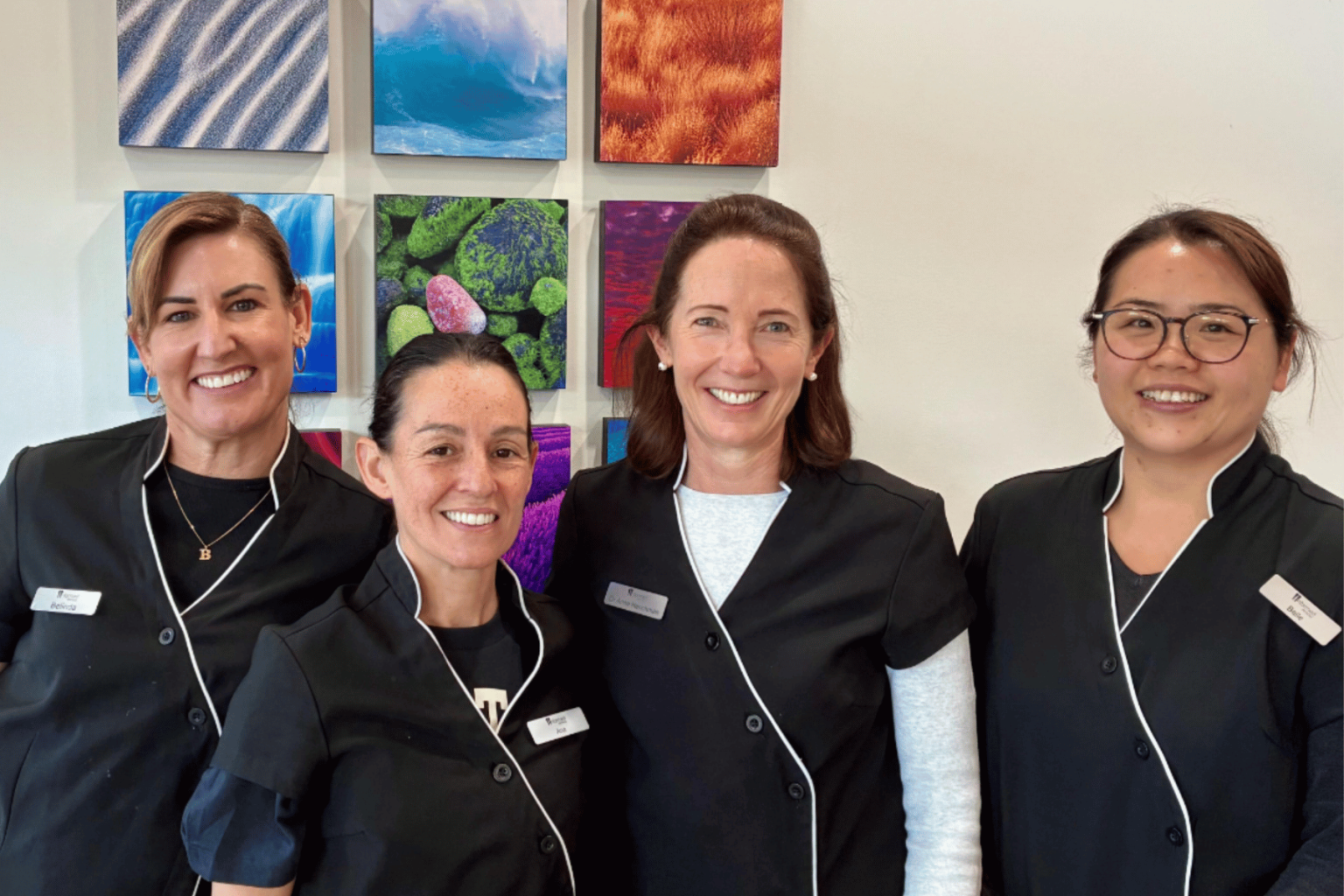
“The successful treatment of my ADA DHF patients is also underpinned by our team of wonderful assistants in our practice who are sensitive to and supportive of the patients we see. Their skill, care, and empathy are key to successful patient outcomes.”
For her volunteer patients, she usually welcomes them into the practice like she would any other patient. She then connects with the person attached to the teeth (which often takes more time if they have a complicated history of neglect and violence), and looks after the patient’s best interests, oral health, and general wellbeing.
Together with her team and partner, she has provided over 10 hours of dental care in recent months. She saw the most recent patient she adopted almost every Monday for two months until the completion of the treatment.
“Volunteering with the ADA DHF can be life changing and the patients will tell you so, over and over. It’s an amazing thing to be able to really help another human being, improve their health and their appearance, and in doing so, open a few doors that would otherwise be closed.
“It’s nothing short of a superpower. Pretty much all the patients who I have seen through the ADA DHF have a history of trauma or violence, had bad luck, made bad choices, and lost out in the lottery that determines who your parents are.
“It is very rewarding to help people like this.”